

Quick answer
There is no entrance fee — access to Homer Spit, Homer, AK 99603 costs 0 USD, and bear viewing requires booking a private third-party tour operator. Departures run tide-dependent, generally within a 07:00–19:00 operating day, with an arrival window of 07:00–09:00 for safety briefings. Weather over Cook Inlet, not season alone, decides whether a given flight goes.
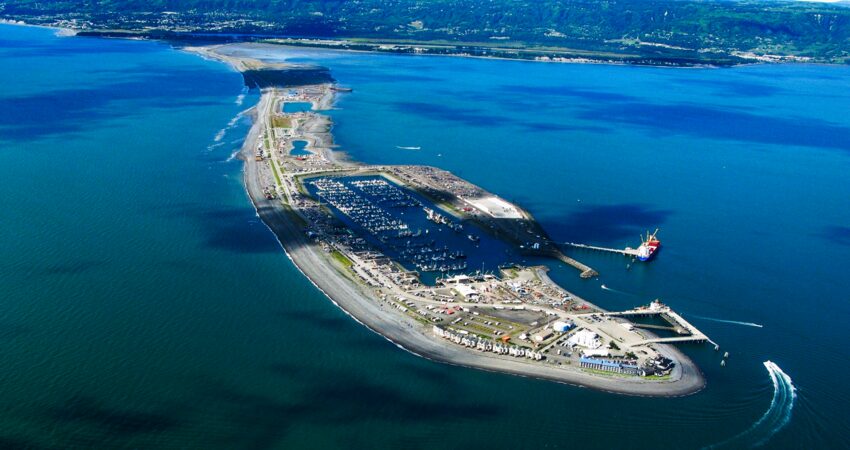
Homer has no bears on its beaches. The town's reputation rests on geography instead: from a gravel strip and a float dock on the Spit, small aircraft reach the coastal sedge flats of Katmai and Lake Clark National Parks in under an hour, landing on tidal beaches where brown bears dig clams and graze. That flight — not a trail, not a viewing platform — is the entire product. Understanding it is the difference between a well-chosen day and an expensive disappointment. Most bear viewing trips from homer alaska follow one of two shapes. Wheeled aircraft land on hard-packed beaches at Hallo Bay, Swikshak, or Chinitna Bay, where guides walk small groups to a fixed observation distance and hold it. Floatplanes reach inland lakes and river mouths, including the Brooks River corridor, where bears fish falls rather than forage sedge. Boat-based Kachemak Bay tours exist too, but they serve a different animal and a different bay. When comparing a Homer bear viewing tour against a Katmai flightseeing package, the landing site matters more than the operator's brochure. The governing variable is the tide. Beach landings are only possible on exposed sand, and the tidal range across Cook Inlet is among the largest in North America — which is why departure times shift daily rather than sitting on a fixed timetable. Layered on top is weather: low ceilings over the inlet ground flights regardless of forecast on the Homer side. Experienced guides describe a working rule that visitors rarely hear until they arrive — build slack into the itinerary, because a scrubbed morning is normal, not exceptional. What to do with that information is practical. Treat any Alaska brown bear viewing flight as a day that may move, and never schedule it against a ferry, a return flight, or a fixed reservation. Operators are licensed guide services working under National Park Service concessions and Alaska commercial permits; group sizes are small by regulation, and the guide's positioning decisions are non-negotiable in the field. Anyone researching bear viewing trips from homer alaska should read the operator's weather and rebooking policy first, then the wildlife-viewing itinerary — the paperwork predicts the experience more reliably than the photographs do.
“The flight is the product — a trail leads nowhere near these bears.”
Best Time of Year and Day for Bear Viewing Trips From Homer Alaska
The bear viewing season in Homer typically runs from June through September, aligning with salmon runs that draw bears to coastal feeding grounds. Planning your trip for the morning is essential, as departures are frequently tide-dependent.
June
Low to Moderate45°F to 60°F; cool and damp
Bears begin congregating near stream mouths as early salmon arrive.
July
Moderate to High50°F to 65°F; variable conditions
Peak activity occurs as salmon runs intensify across coastal habitats.
August
High50°F to 65°F; frequent rain showers
Bears remain active and visible while feeding on spawning salmon.
September
Moderate40°F to 55°F; crisp and cooling
Late season viewing offers opportunities to see bears preparing for winter hibernation.
Morning Departures
Varies—
Departures are often scheduled early to account for optimal tide conditions and weather windows.
Verdict: The most favorable window for bear viewing is from mid-July through August, specifically scheduling your departure during the early morning hours.
How to Book and Prepare for Bear Viewing Trips From Homer Alaska
This procedure takes you from choosing a third-party flight or boat operator to standing on the Homer Spit ready to depart, and most travellers spread it over a few weeks of planning plus one short morning on the day itself.
Research licensed bear operators
Compare third-party operators running from Homer by floatplane or boat, checking their permits for Katmai and Lake Clark and the group sizes they cap each departure at. Most people book on price alone and overlook whether the operator uses a guide who stays with the group on the ground the whole time.
Confirm your departure date
Contact the operator directly, or use the booking links on this site, to reserve a date and confirm what their weather-cancellation policy actually refunds. Travellers routinely book their flight home for the evening of the trip, leaving no buffer when fog delays a departure by a day.
Complete operator paperwork early
Return the waiver, passenger weight declaration and emergency contact form as soon as the operator sends them. Floatplane operators need accurate weights to balance the aircraft, and vague estimates cause seat reshuffling on the dock.
Arrive at Homer Spit early
Come to Homer Spit, Homer, AK 99603 between 07:00 and 09:00 so you have time to park and find the right dock or hangar. Visitors often underestimate how long the Spit is and arrive at the wrong end of it.
Attend the mandatory safety briefing
Sit through the guide's briefing on viewing distances, group movement and what to do if a bear approaches the group. Skipping or half-listening to this is the single most common reason someone breaks formation later and forces the guide to end a viewing session.
Fit the loaned gear
Try on the waders, boots or life vest the operator issues before boarding rather than at the landing site. Sizing problems discovered on a tidal mudflat cost the whole group viewing time.
Operational Hours for Bear Viewing Trips From Homer Alaska Departure Points
The departure points on the Homer Spit for bear viewing excursions maintain consistent operational hours throughout the week to facilitate morning logistics.
| Monday | 07:00–19:00 | |
|---|---|---|
| Tuesday | 07:00–19:00 | |
| Wednesday | 07:00–19:00 | |
| Thursday | 07:00–19:00 | |
| Friday | 07:00–19:00 | |
| Saturday | 07:00–19:00 | |
| Sunday | 07:00–19:00 |
Entrance Fees for Bear Viewing Trips From Homer Alaska
Access to the Homer Spit area is public, but bear viewing trips require booking a private third-party tour operator. Admission fees for the transit or viewing areas themselves do not exist.
The entry fee is 0 USD, while the total cost of your trip depends entirely on the private tour operator you select.
Essential Gear Checklist for Bear Viewing Trips From Homer Alaska
Bear viewing flights and boats out of Homer land on open coastline, so what you carry and wear matters more than what you leave in the car.
-
Pack knee-high rubber boots — Landings are wet and beaches turn to deep tidal mud.
-
Bring a waterproof shell and pants — Cook Inlet weather shifts to rain and wind without warning.
-
Layer fleece or wool underneath — Temperatures drop sharply on the water and in open meadows.
-
Carry photo ID for all travellers — Air taxi operators check names against manifests before boarding.
-
Print or download your confirmation — Cell coverage on the Spit and at the coast is unreliable.
-
Limit gear to one small bag — Float planes and skiffs enforce strict weight and space limits.
-
Add hat, gloves and sunglasses — Glare off water and wind exposure are constant during viewing.
-
Arrive at Homer Spit by 07:00–09:00 — Safety briefings run before tide-dependent morning departures.
Check availability
Frequently Asked Questions About Bear Viewing Trips from Homer Alaska
Everything you need to know about bear viewing trips from homer alaska